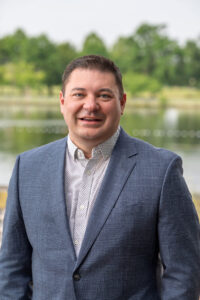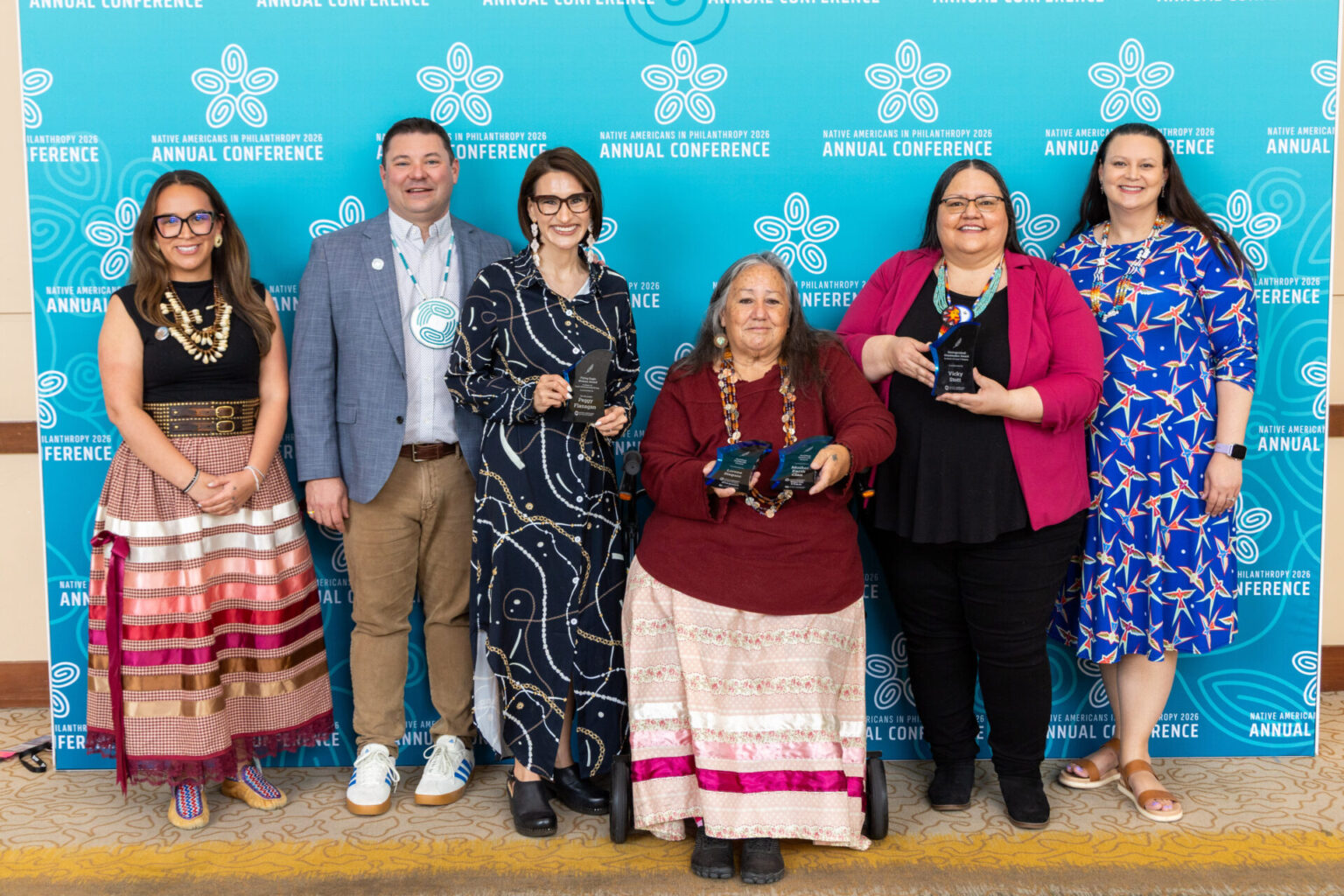
Erik Stegman is CEO of Listen to Community partner Native Americans in Philanthropy (NAP), which has been building bridges between tribal communities and funders for nearly four decades. For a Native-led organization like NAP, listening to community is a foundational value and practice.
In this conversation, Stegman talks about what funders can learn from Native approaches to listening and relationship building, why shifting power requires more than good intentions, and how involving young people in decision making could transform philanthropy.
This conversation has been edited and condensed
NAP brings a perspective that’s different from many philanthropy-serving organizations because it’s deeply rooted in the communities it serves. How does that shape the way you think about listening?
NAP was founded 37 years ago in a lot of ways to get the field to listen to Indigenous communities differently. We were responding to big challenges in the field — the fact that we were always othered in the data with an asterisk, and that asterisk was used to justify severe underinvestment in our communities. There’s so much lack of understanding about who Native people and tribes are, and the rich cultural diversity encompassed by our acronym, so we founded our own platform to be that bridge with tribal communities and philanthropy.
So much of our everyday work is bringing funders into community and having them listen to our own communities, but also educating them along the way, because a lot of funders come to the table with very little knowledge, and even harmful misunderstandings, about who Native people and tribal communities are. It’s important that we educate them so they can listen differently and more respectfully, and then be a partner with them as they come into our communities in a way that leads to real action.
Last year we worked with Alaska Venture Fund on a joint funder listening tour of several off-road sites in Alaska — funders learning the history of the Alaska Native population, seeing the nonprofit infrastructure that supports them, then being invited into small communities to go salmon fishing and hear from elders. It was about understanding the full ecosystem of how Native people support one another, our worldview, and the role of culture and language in how we build solutions for everything we do.
What can all funders learn from what NAP calls the “Five Rs of Indigenous Philanthropy: Respect, Relationships, Responsibility, Reciprocity, and Redistribution“?
A huge part of what NAP does is what we call indigenizing philanthropy. Even knowing that philanthropy is a big Western institution built on the tax code that we’re not going to transform overnight, we know we can make a difference by helping funders understand our values as Native people, like reciprocity, respect, and relationships. Relationships is the one I often focus on because I want to help philanthropy understand how relationships are at the heart of everything we think about in Indian Country — how we’re related to one another, as people and with the land. Philanthropy is actually a very relationship-centered field, but too often those relationships aren’t in a good way. They can be extractive, or built on problematic power dynamics.
The values embedded in the Five Rs are what guide everything Indigenous communities do. This is who we are and it’s the only way we have ever known to do philanthropy. Now, we’re helping a very Western structure understand how to do what we do because learning from our worldview, which has listening to community as a built-in value, philanthropy can be much more effective.
It's important that we educate [funders] so they can listen differently and more respectfully, and then be a partner with them as they come into our communities in a way that leads to real action.
Erik Stegman
What would you want a conventional foundation’s staff and board to understand about the relationship between listening and power?
Philanthropy, especially institutional philanthropy, operates out of so much caution about what it should do and what its limitations are. That’s what frustrates communities most, because funders actually have the ability to take the most risk and have the most creativity. You can just write a check on the issue you care about, but instead you come up with roadblocks. Even the smallest grant, with the most flexibility, done right, can have tremendous impact and very little risk. But the sector overweighs risk and caution, and that translates into how funders actually listen — or don’t listen — to community.
Some of that caution is legal. The attorneys have taken over and pushed the sector too far into caution mode. But I’ve seen funders worry about cracking the door open even before the current political climate. I’ve talked to CEOs and board members who believe in things like participatory grantmaking and giving up power, but others in the decision-making structure are concerned about accountability, so it doesn’t happen. We need to build a framework to convince people to give up power and to push and educate them because it isn’t usually about intentions, it’s about perspective and we have to find every way to influence people from the heart.
That’s why we have organizations like NAP and our counterparts that represent different communities, because we’re able to help do that education, we’re able to share case studies. Take the Native Voices Rising Funding Collaborative that we co-founded, and look at how successful it is and how many funders are part of it now. When we first launched, it seemed pretty radical to have a national participatory grantmaking program for Native people, and now it’s a huge funding mechanism across the country.
NAP has two other programs that could be compelling examples for the field — the Indigenous Tomorrows Fund and Native Youth Grantmakers. Both are about involving young people in philanthropy. Why is that important to you?
We started the Native Youth Grantmakers program because I used to run the Center for Native American Youth, and youth leaders kept asking me how philanthropy works and what their voice should be in it. We built a leadership curriculum so Native youth understand how philanthropy operates and how to advocate for their own communities, and then they participate as grant reviewers in the Native Voices Rising Funding Collaborative. From there, the youth leaders wanted to create a youth-led fund, so we co-designed and co-launched the Indigenous Tomorrows Fund with them.
What we’ve learned from that ecosystem of intergenerational work is that young people are doing some of the heaviest lifts in changing the deficit narrative about our communities. Funders are always asking us about our problems, throwing our own statistics in front of us, but none of us want to focus on the problems, we want to focus on solutions grounded in our own culture and communities. Young people inherently bring that to the table. I’ve seen how many funders shift when they listen to young people in these conversations — there’s a different dynamic, a different tone, a different enthusiasm about investing in tough issues, because they see how these young people are getting to a solution through their culture, language, and communities.
As we’ve introduced the youth leaders into the decision-making process, another piece of success — and we’ve seen this with the Indigenous Tomorrows Fund — is once funding is done this way, it spreads like wildfire. You don’t have to worry about finding amazing grantee and potential grantee partners out there because the youth leaders become their own best messengers and connectors. I’ve never seen so many organizations I didn’t even know about from all over the country doing incredible things for Native youth come in the door, and oftentimes, that’s what funders are most concerned about, right? They’re hoping to best understand the whole landscape. They’re hoping to see new projects and new partnerships out there, and the best way to do that is to invest not just in the right approach, but in the people who are part of that approach, because they’re going to be the best ambassadors in the field for what you’re trying to do with your money.
What’s the most important thing philanthropy still gets wrong about listening — and what would getting it right actually require?
There are a lot of good people doing good work trying to change how they approach listening to community, but in institutional philanthropy it comes in ebbs and flows, it’s trendy. You see this in strategic planning cycles: a youth center that’s been doing great work for 20 years in a tribal community is suddenly expected to translate that work into some new frame to meet a funder’s strategic vision that no one in their community was part of. Groups like us spend a huge part of our time being the translator, telling communities to keep doing the good work while we go meet funders on the other side.
If I could change anything in the current structure, it would be breaking the pattern of foundations coming back over and over again asking programs to make the case for the work they’re already doing that’s already proven effective. That’s not listening. Listening is respect. Listening is the relationship — and the work should be led by relationship.