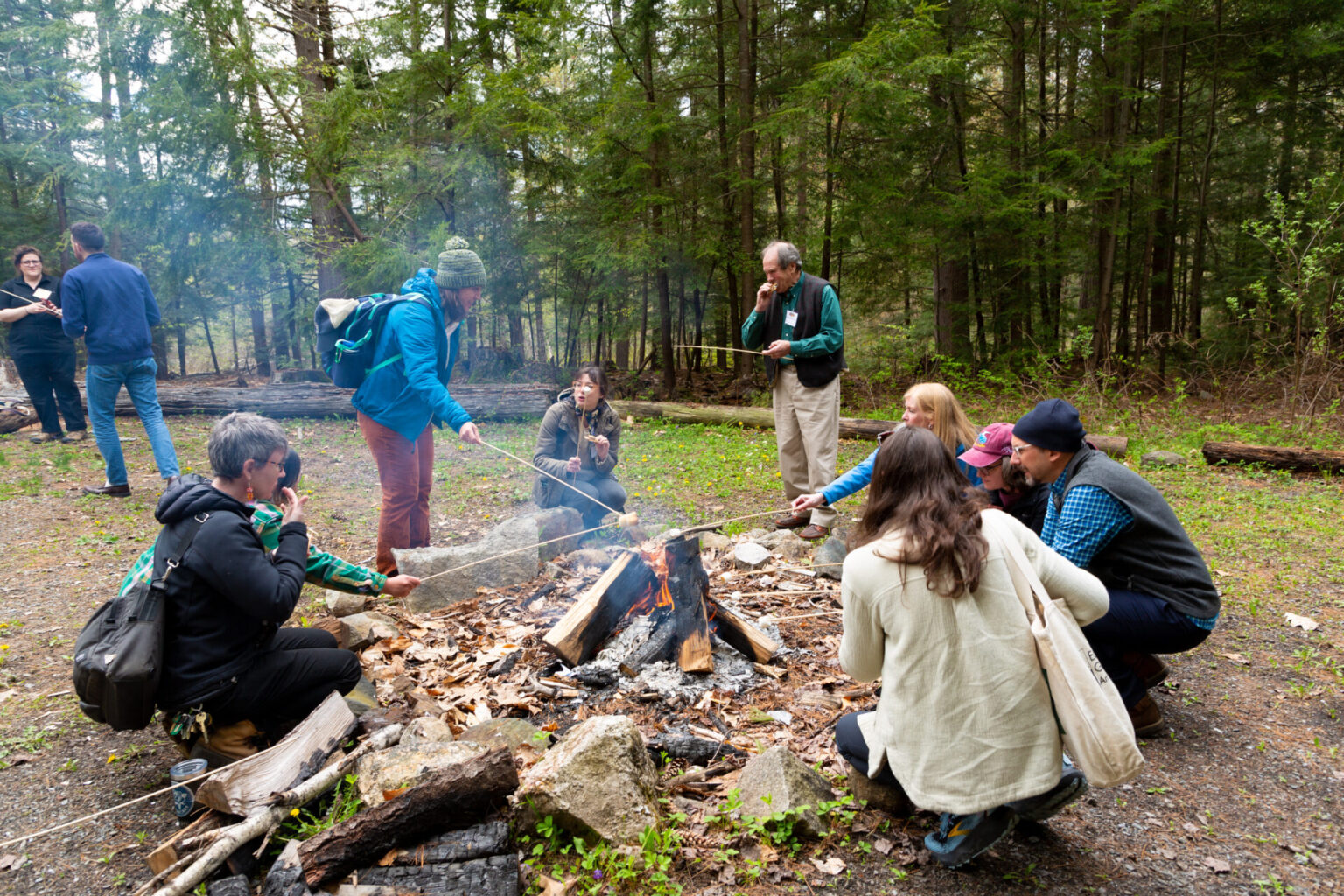
Over the past decade, the Elmina B. Sewall Foundation has been transforming how it operates to center the voices of communities, including by recruiting staff members who are part of the communities the foundation serves and who previously worked for Sewall grantee organizations. Here, the Sewall Foundation staff members leading the foundation’s programs, known as community partners, discuss how they listen and respond to communities they are part of and their aspirations for further shifting power to community. We spoke with:
- Amie Hutchison, Community Partner: Animal Welfare, Nature-Based Education
- Kristina Kalolo, Community Partner: Food Systems
- Sonya LaCoute-Dana, Community Partner: Wabanaki
- Lucy Van Hook, Community Partner: Rural Partnerships
This conversation has been edited and condensed.
How do you approach listening to community as part of your role as a community partner?
LaCoute-Dana: Listening is an obligation. These are my communities. These are my relations. It’s my family. Philanthropy has existed in tribal communities forever. That sense of reciprocity is part of our culture. I have an obligation to honor that in this work. Everything I do is directly impacting everyone around me. I live in a tribal community. My children and I are all tribal members as well as my husband. I’ve worked in our communities for a long time in different roles. I have that to guide my work.
I spend time with our grantees in person. I will ask for opportunities to visit. Those are optional. No one is ever mandated because they receive funding to meet with us, but I get invited. It’s an honor to do this work and serve Wabanaki communities, and it’s an honor to sit with the people that I sit with every day because they are incredible individuals. Open heart, open mind. That’s how I go into all of my conversations.
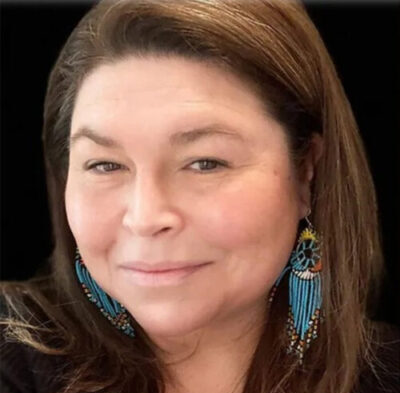
Listening is an obligation. These are my communities. These are my relations. It's my family. Philanthropy has existed in tribal communities forever. That sense of reciprocity is part of our culture.
Sonya LaCoute-Dana, Community Partner: Wabanaki
What are the benefits of being both part of a foundation and part of the community you’re serving?
Van Hook: We don’t need a dissertation to justify the need. We don’t have to spend a lot of time over-performing the hurt or the need or the gap in funding, or the people who need additional food or who are persistently underemployed. We’ve lived that, and we are in frequent conversation with our grantees and other networks of funders and professional networks. We’re steeped in it.
Kalolo: Lauress Lawrence, a Sewall community partner who retired recently, would talk about trust and community organizing as emergency preparedness. That’s something I’ve deeply felt this last year. So many of our partners and communities have been impacted by immigration enforcement. Having trusting relationships, someone knowing that they can reach out and give us a call and that we can hold that information with safety and care, has really facilitated us in being able to be responsive in timely ways, and in ways that help our partners to feel protected and safe. I’ve been incredibly grateful to be a part of an organization where there is a sense of that cultivation of trust.
Hutchison: Coming from the sector you are supporting and having those relationships in place, it almost feels like cheating in terms of trust building. You’re starting from so much further down the road. Folks can just jump in and speak to us much more directly, and with more nuance and specifics, because we understand the sector, we have relationships, we get the day-to-day. We can really get in there more quickly.
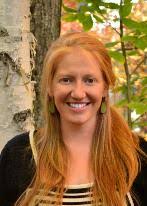
We don't need a dissertation to justify the need ... We've lived that, and we are in frequent conversation with our grantees and other networks of funders and professional networks. We're steeped in it.
Lucy Van Hook, Community Partner: Rural Partnerships
What is an example of something that you have heard and responded to that you might not have known about if you didn’t have strong personal relationships with your communities?
Hutchison: We have one example that’s playing out right now. A friend of Kristina’s let her know that a particular nonprofit is in really dire straits, and it needs money right away to avoid eviction. We’ve changed our process for our rapid response grants because right now our partners have so little time, and because of the level of stress and fear and work, everyone is just stretched so thin. So now we can initiate a grant request. It doesn’t have to come from the organization. We’re currently figuring out if a rapid response grant would be helpful to this group.
Kalolo: There has been a lot of support for us as community partners to have these different ways of connecting with people. The person who reached out was a former colleague, someone I consider a friend, but they’re also someone who has acted as an advisor to the Food Systems grant program. I’m grateful that she brought this forward because it wasn’t on our radar.
What changes have you seen over the years in how Sewall listens and responds to communities?
LaCoute-Dana: I’m the first Wabanaki community partner at Sewall. From what we’ve heard, I’m the only staff person dedicated to tribal communities among local foundations here in Maine.
After Gabriela [Alcalde, the executive director] came to Sewall, she shifted the foundation to a trust-based philanthropy model. As part of that, she conducted listening sessions with her team in Wabanaki communities. There is an incredible report about those listening sessions and what Sewall got back from Wabanaki communities. Several things happened from those listening sessions, and one was the creation of my position.
Kalolo: Another example is our Beyond the Grant work. Sewall for many years has prioritized capacity-building support. In the past, we had one resource that we were offering to everybody. In having more conversations and a survey process, we realized that it wasn’t meeting people’s needs in a responsive way. Last summer, we launched a new menu of support options. We got a lot of helpful information about folks’ priorities and needs, and we tried to match that as best we could. We’re constantly in the process of refining, homing in, and making shifts based on continued feedback and conversation from our partners.
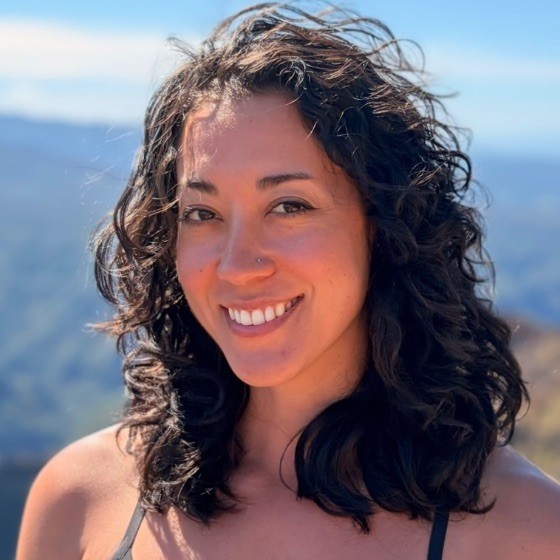
We're constantly in the process of refining, homing in, and making shifts based on continued feedback and conversation from our partners.
Kristina Kalolo, Community Partner: Food Systems
What is an area where you want to continue to learn and change moving forward?
Kalolo: I am thinking about how we can shift more decision-making power to our grantee partners. There have been some creative things that have happened this last grant round where, for example, a couple of organizations that work closely together asked, “Could you tell us what’s available, and we decide how the money is allocated?”
How can we be doing more of that? That was an interesting moment for me because so much of the work in this grant program is really collaborative, and how people are resourced impacts one another.
What is an example where listening showed that you needed to pivot?
LaCoute-Dana: I started listening early, to everyone I talked to. Ninety percent of the people that I had conversations with wanted to have a safe space to gather. So that is something I did immediately. The very first year we had a grantee convening, and that is something I’ve done regularly. Folks wanted to be able to convene, and they needed training. Very quickly I headed into that direction because it was identified as a significant need.
We start the day with an opening prayer by an elder, smudging everyone. Those pieces are important when we bring our people together in spaces to open the day and welcome the day. And then checking in with people throughout the day to see how folks are feeling, and at the end of the day, closing everything out with time for reflection and a song.
Kalolo: One example is around land back and land access for food systems work. That’s been a priority for the Sewall Foundation across program areas, and in drafting a foundation-wide approach, we integrated feedback from our partners on the ground.
One of the things that we heard was because the real estate market is really fast, often nonprofits don’t have time to fundraise when properties are available, and so they are lost to developers. We were able to advocate to our board and they approved an additional $100,000 in our rapid response fund that’s specifically allocated for land-back and land-access needs. While this was happening, a peer funder was also reimagining their land-access grant program, and we were able to share the feedback that we heard. Because of that time-sensitive piece, they changed their grant schedule to try to be more responsive. It felt really good to have these conversations and have actionable change.
Van Hook: I was on the grantee side for part of this example. In the Katahdin region in Maine, two paper mills closed. There was this economic downside and then questions about what’s next. What does the future of this place look like? Sewall contributed funds to hire a consultant to do a community visioning process. When an initial consultant was too corporate and canned, Sewall contributed additional funds, and we hired a Maine-based consultant. They formed a steering committee with local community members, redesigned the process, and came up with an 18-month engagement process. Sewall was willing to go multiple steps backward in order to go further, and now we have this very well-vetted, community-supported roadmap.
What advice would you share with peer funders seeking to listen and shift power to communities?
LaCoute-Dana: It’s okay to ask questions. It’s okay to contact a tribe. For the foundations that are doing that work, keep having those conversations and leveraging those resources and bringing people into your circle, because that’s how we grow those relationships.
Hutchison: Showing up and listening, those are some of the best opportunities to build relationship and build trust. If you’re outsourcing too much of that, then you’re outsourcing those relationships and you’re not having the opportunity to build that trust.
I would love other funders to think about being as mindful as you can about power dynamics. As a grantee, in my nonprofit roles, I showed up for things that were a complete waste of my time because I thought that if I didn’t, I wasn’t going to get a grant. Or my only way to build a relationship with this funder was to do what they were asking of me. They weren’t giving me opportunities to just authentically show up with them, and they weren’t coming to spaces that I was offering for them. They were creating spaces that, because they didn’t ask, held no real value for me. And because of the power dynamic, I felt like I couldn’t say no.
I don’t think we’re perfect at that by any means, but we think about it. And that feels like a pretty important first step.
Kalolo: Having the support in my role and the encouragement to show up to events, to show up to network meetings, to show up to different spaces where our partners and beyond are talking about relevant issues to our grant programs, has been one of the most valuable ways of building relationship and trust and staying informed. I hear a lot that folks wish other funders would be as present. I think a lot of times that’s a capacity issue, where it’s not written into job descriptions or roles. And sometimes it’s not appropriate for funders to be in certain spaces, so discerning where it is and is not okay and how to show up to those spaces is another thing that I’m always trying to navigate.
Here’s an example. There is a network of food system leaders that meet once a month to connect and share challenges and barriers that they’ve been facing. Last month they recognized the need to have a bigger day-long convergence. They started to discuss a fundraising committee, but we have a budget for convening for each program area. I knew we had those resources, they were very well aligned, and it was an appropriate fit. And so I was able to offer support if it would be helpful. It felt like a great way to reduce barriers and hopefully save folks time.
What else is possible if funders have the capacity to really show up and listen, remove these obstacles for folks, and just get them resources so that they can keep doing visionary work?
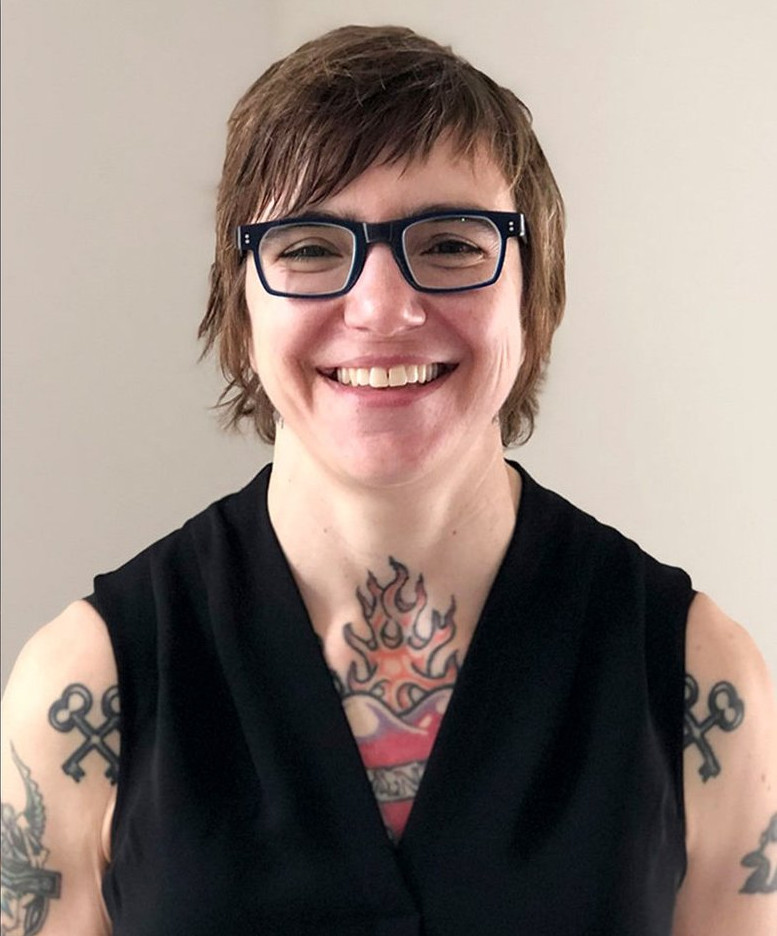
Showing up and listening, those are some of the best opportunities to build relationship and build trust. If you're outsourcing too much of that, then you're outsourcing those relationships and you're not having the opportunity to build that trust.
Amie Hutchison, Community Partner: Animal Welfare, Nature-Based Education