What if the most consequential decision your foundation makes isn’t what it funds, but who decides? In her new book, “A New Era of Philanthropy: Ten Practices to Transform Wealth into a More Just and Sustainable Future,” Dimple Abichandani, an author, advisor, and Listen to Community Ambassador, argues that governance is one of philanthropy’s most overlooked levers for change. While the sector debates grant types and payout rates, she says the real issue is that boards remain largely shaped by proximity to wealth rather than proximity to community.
In this conversation (edited for length and clarity), Abichandani challenges trustees to rethink stewardship and identity, and to consider what it would mean to move from holding wealth to truly sharing power.
Listen to Community: What inspired you to devote a chapter of your book to governance?
Abichandani: The book centers on a question I kept returning to as a practitioner: What should philanthropy be in our times of crisis and opportunity?
As I interviewed people across the sector, governance kept emerging as an obstacle to funders meeting the moment. I heard a hopelessness and a sense that change is impossible.
In that resignation, I heard how deeply we still hold on to Carnegie’s “The Gospel of Wealth” blueprint which sees philanthropy’s purpose as preserving the very systems that concentrate wealth and power. What we need right now is a philanthropy that disrupts and shifts how power and wealth are held. In A New Era of Philanthropy, I am curious and interested in what it is that we build next. If we want a philanthropy that can resource a more just and equitable future, a reimagined governance is central to getting us there.
Listen to Community: What are the changes in governance you want to see?
Abichandani: In philanthropy we’ve normalized governance that is proximate to wealth and distant from community. We need to flip this. People closest to the challenges often have the clearest and deepest understanding of the change required, and how resources should be deployed.
Beyond proximity to community, I’d like to see philanthropic governance evolve to being more transparent and accountable to the communities we serve. Philanthropic funds are held in the public trust and our governance norms should reflect that public purpose through greater transparency and accountability. Here is an example: Foundation trustees make the important decision of how much to spend each year. I’d love to see trustees transparently share their spending decisions and rationale for these decisions with the communities that are impacted by these decisions.
Listen to Community: What has surprised you as you’ve shared these ideas out in the field?
Abichandani: In room after room, I’ve heard a board member say, “It always felt like something’s not quite right about this model.”
There is greater openness and appetite for change amongst trustees than I expected. I find that people are hungry for a roadmap.
In philanthropy we’ve normalized governance that is proximate to wealth and distant from community. We need to flip this. People closest to the challenges often have the clearest and deepest understanding of the change required, and how resources should be deployed.
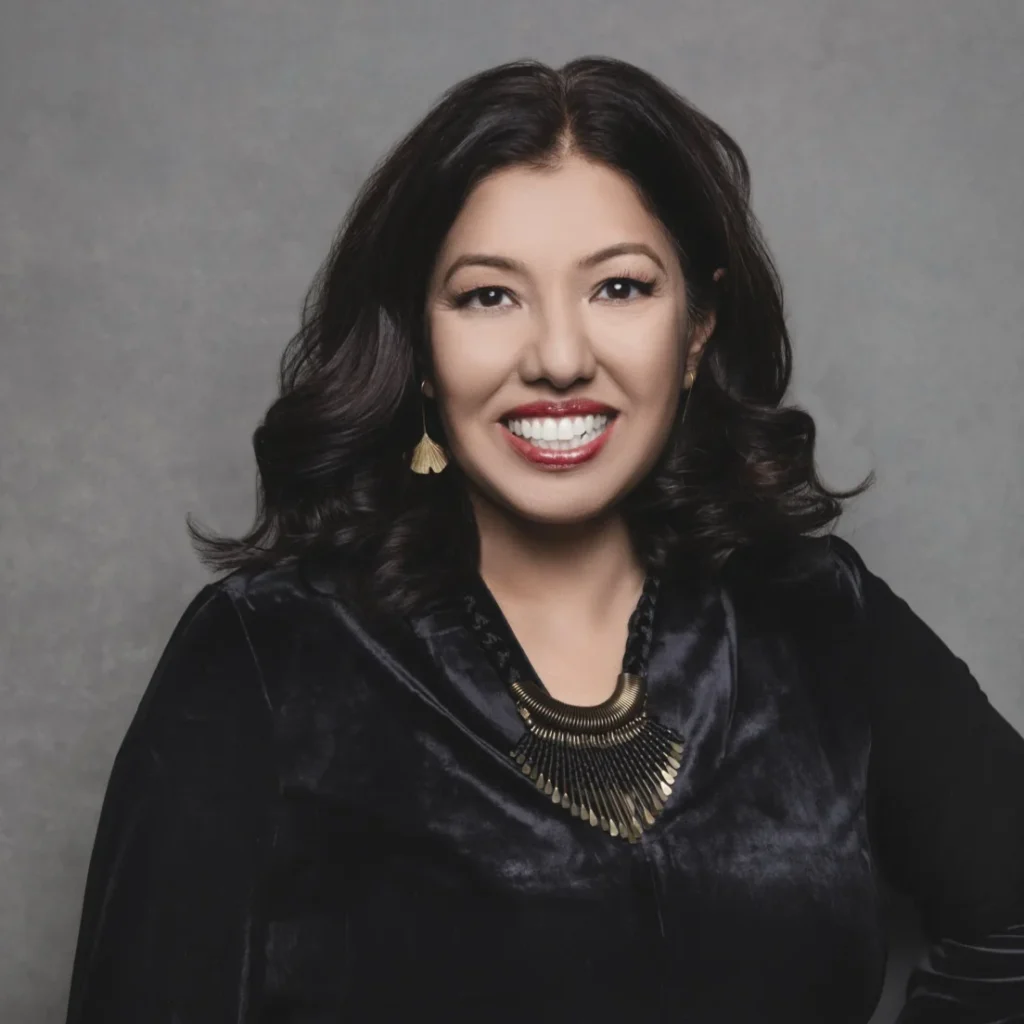
Dimple Abichandani
Listen to Community: You write about identity as a barrier to doing things differently. What do you mean by that?
Abichandani: In the interviews I conducted, identity was a recurring theme. For example, a family trustee saying, “I wouldn’t know who I am if I wasn’t serving on this board.” I wanted to think creatively about how we approach identity in governance, because the answer of keeping identity out of governance did not seem realistic. Our identities are multifaceted so in the book I offered up identities that we want trustees to step into.
For example, I quote Nick Tedesco [at the National Center for Family Philanthropy] and offer an identity shift of going from being a holder of wealth to a mover of wealth. It sounds small, but it’s actually a profound shift in identity, not just for family foundations but for trustees at any kind of grantmaker. Too many board members hold outdated understandings of stewardship, thinking that it’s their job to apply the brakes, to keep resources from flowing. The identity of a “mover of wealth” helps a trustee connect to their governance purpose and mission. Their role is to reallocate these private resources for the public good.
The job of governance right now is to ask which risks do our values require us to take and to understand the risk of inaction.
Listen to Community: For foundations ready to start making real change, what does a meaningful first step look like?
Abichandani: You can start where you are. Change doesn’t require perfection, rather it comes from practice.
An important first step is bringing community members onto your board. When you bring on community members, don’t just bring on one, or even two. Bring on a number that is meaningful and have them come into governance roles that in your bylaws envision equity among all board members. At family foundations, for example, some boards will give family board members unlimited terms while community members are allowed one or two terms.
Change is not just about adding a seat at the table. The opportunity when we bring community to the table is to shift and transform all of our work. This requires an openness and a willingness to evolve and co-create operating cultures and norms.
Listen to Community: From the story you tell in the book about the Lankelly Chase Foundation, it sounds like level setting and building trust are essential when bringing community members onto boards.
Abichandani: When Lankelly Chase first invited community leaders to join the board, the response was, “We don’t want to just sit at your table and have our pictures up on your website and be a rubber stamp.” They wanted to have real governing power.
The board and CEO took this seriously and went on to overhaul its governance structure, with community board members leading the way. Two years into that process, the board collectively decided to move all of the foundation’s assets into community control, a decision that reflected a transformation that the organization and the board went through together, in part because of having community voice in their governance.
Listen to Community: Does every foundation have to go that far?
Abichandani: My invitation is to keep evolving.
If you bring community members into participatory grantmaking that is a step. Don’t stop there. A next step is to bring the community into the decisions about the size of the grantmaking program, not only the grants. If you are a board of ten family members — or law partners or other people with proximity to wealth and power — and you add three community members, think of that as the beginning, and now there’s a process of co-creation you will engage in together that will lead to new evolutions.
The exciting thing about being alive right now is we are all co-creating the future. If we continue to govern in a gilded philanthropy way, we will reproduce the inequalities we say we want to solve. But if we take governance seriously as a practice that can help us live into the future we want, then we can unlock a new level of impact in and through our institutions.
Dimple Abichandani
Author, advisor, and Listen to Community Ambassador. Hear more from Dimple about her book on the Stupski Foundation's "Break Fake Rules" podcast (April 2025).