For more than 25 years, the Horizon Foundation has worked to make our community of Howard County, Maryland a healthier place to live for all our residents. Though this has been our focus throughout our history, our strategic priority areas, tactics, and practices have evolved over the years.
We have hosted a 300-person community summit to talk about racial equity, Town Halls where residents shared their ideas about how to combat food insecurity and learned about housing issues, and we invite community members into our office on the first Thursday of every month so they can connect with one another around the issues they care about. There is immense power in bringing people together in these ways, and we understand that the relationships we help build are what foster movements for change.
We also know our work must go beyond making community connections and getting input from our community. In the last several years, we have committed more deeply to practicing anti-racism and trust-centered philanthropy. And, critically, we’ve made a sincere commitment to shared decision making and co-creation. To us, that means a collaborative process of building transformational relationships, trust, shared power and a joint vision to catalyze movements for long-term, systemic social change to improve health.
Here are three of the ways we’ve approached working side by side with our community:
1. Deep listening and community research in building our strategic plan
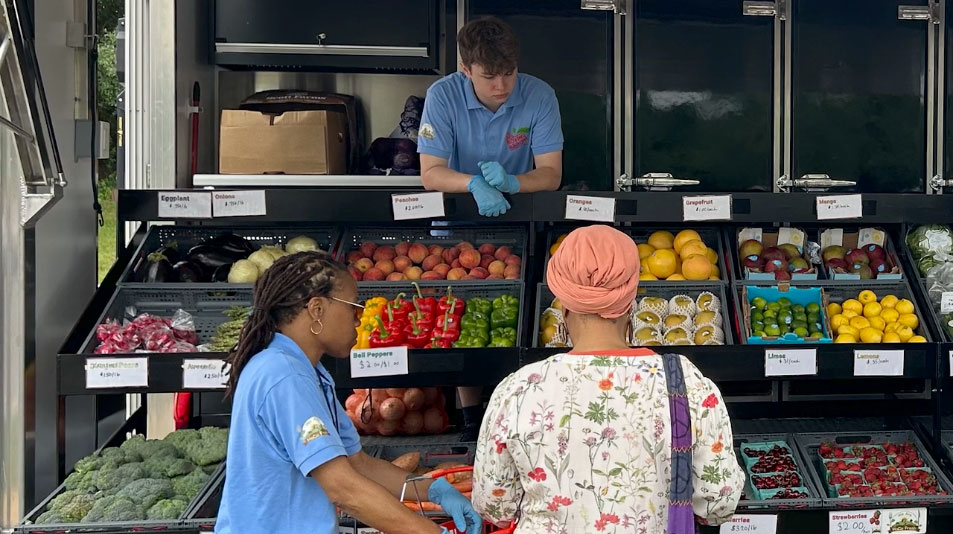
As many organizations do during strategic planning, we interviewed our grantees and other local institutions to learn more about what the needs are and how we might address them. But to truly understand what our residents facing the biggest health disparities were experiencing, we knew we needed to do more than that – we needed to go to the source. We hired a canvassing firm who knocked on thousands of doors in the community, primarily in low-income neighborhoods and communities of color, and asked them directly about what is standing in their way from achieving an abundant and healthy life. We did polling. We conducted focus groups with non-English-speaking residents. All of this was to hear directly from the people we say we want to serve but are rarely asked about their lived experiences. And what we heard was that the challenges they were facing weren’t just about medical care or traditional public health infrastructure, but about the cost of living and the lack of quality, stable housing that they could afford; access to nutritious food; access to mental health services and the holistic prenatal and pregnancy care they need. By listening to the people who face the biggest disparities, we were able to build a strategic plan that was reflective of the real needs of our community and craft a vision for dismantling what is standing in their way of achieving good health.
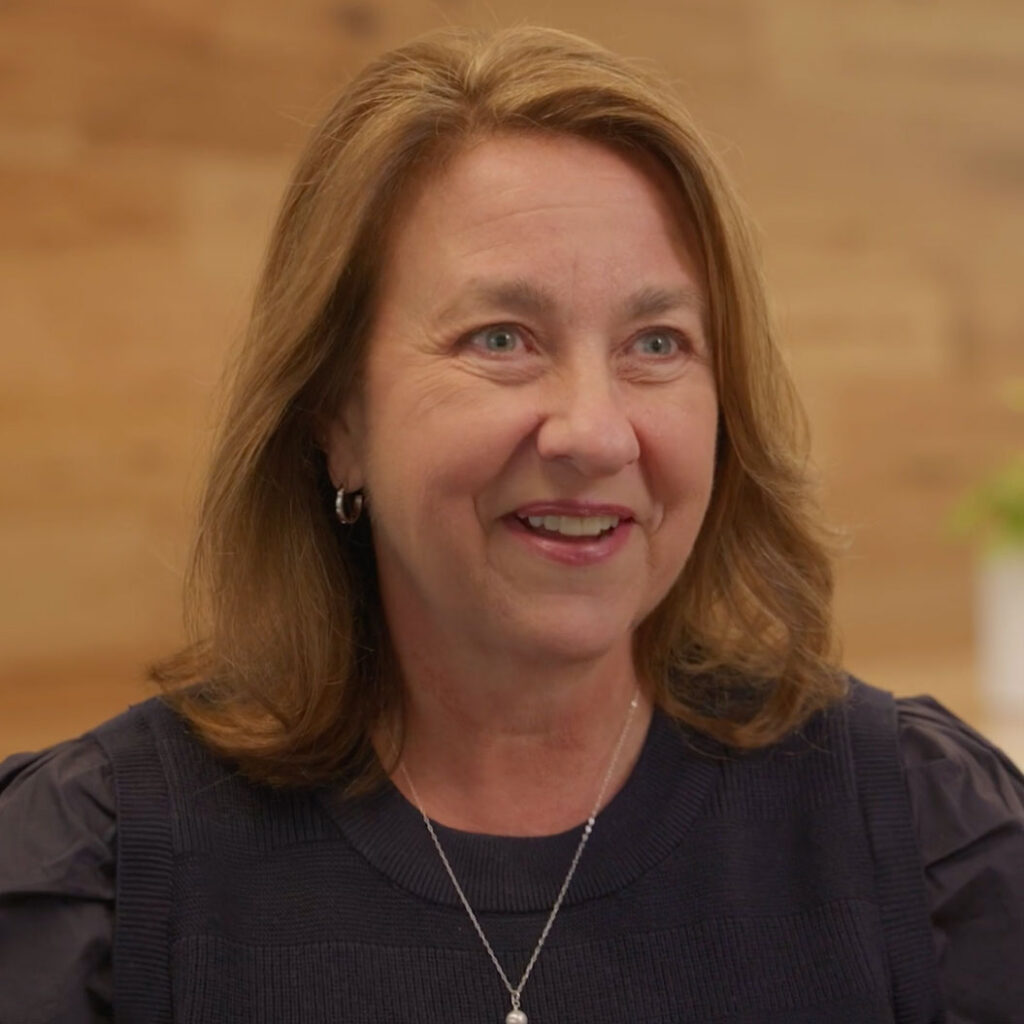
We knocked on thousands of doors, and 1,700 people opened their doors to have a conversation with us, so we had 1,700 conversations with residents in our community about their biggest barriers to living an abundant and healthy life.
Nikki Highsmith Vernick, President and CEO, Horizon Foundation
2. Sharing decision-making power with community members
It’s not enough just to listen; for us, we wanted to listen in ways that upend some of the traditional power dynamics between funders and grantees and the people they serve. Our Planning and Evaluation Committee, which made recommendations to our full Board of Trustees about the creation of the strategic plan and continues to oversee its implementation, is comprised of half community members and half trustees. Early on in the process, members of this committee spent a lot of time building relationships, getting to know one another and creating a safe space where the community members felt they could bring their honest feedback and where they had equal power in the final decisions that were made. We also compensated the community members for their time and expertise. As we continue to implement the strategic plan, these community members are also helping to inform our metrics and determine how we track our progress.
3. Community organizing through our coalitions and fellows
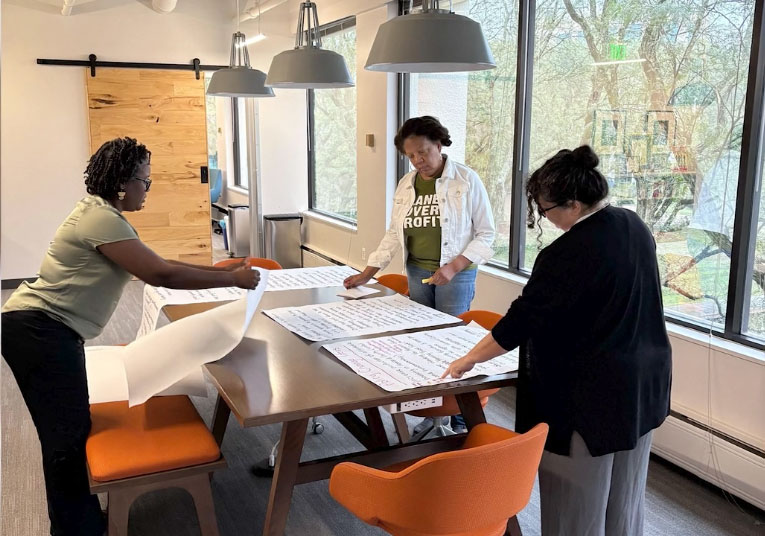
The Horizon Foundation believes strongly in working at the policy and systems level to make change, and we work within coalitions to build those movements. In all of our issue areas – housing, food insecurity and nutrition, mental health, birth justice, etc. – we work with a number of grantees, community organizations, residents and other partners to advocate for policy solutions to the problems our community faces. Several years ago, we launched an Advancing Community Advocacy Fellowship program where individuals spend two years with us learning about the advocacy process and community organizing. They help us lead and mobilize our coalitions during policy campaigns, and also help us expand our reach by tapping into their own networks and communities to bring new partners and people into the fold. Marcus Alston, our current Fellow focused on mental health, helped us mobilize rapid support among the community when the local Board of Education budget called for cuts to school-based mental health services. Another current Fellow, Bertina Suber-Hanley, is supporting our housing grantees in their efforts to develop policy campaigns around tenant protections. And Alice Harris, the lead organizer of the Healthier Choices Coalition, initially started working with us as a Fellow and is continuing to make an impact, leading the Coalition and bringing new community members to the table.
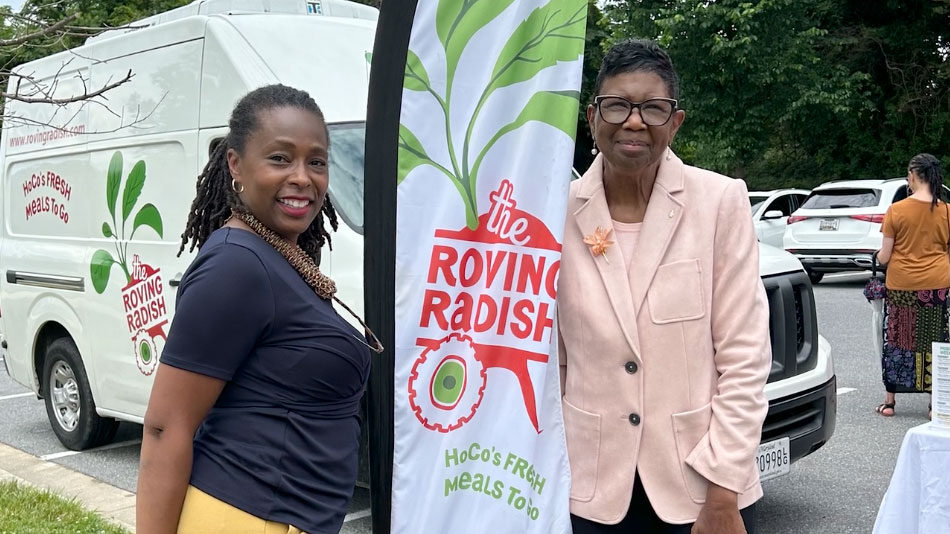
All of this demonstrates we know that we, as a foundation, can’t do all the work we do, and want to do, alone. It is critical to have voices at the table who can bring their lived experiences to ensure programs and policy solutions are effective, and can lead to the outcomes the people most impacted want and need. When the people affected by an issue are part of contributing to the solution, we strengthen our civic democracy.
Ultimately, building trust with a community is a long-term commitment. It’s a commitment to transparency. It’s a commitment to humility. It’s a commitment to admitting when we make mistakes. It’s a commitment to putting the lived experiences of the people who face the biggest barriers at the center of the work, having them lead the change. Though the philanthropic community is an important pillar of society, we do not have all the answers – and if we want to catalyze movements for lasting change, it’s time we share and wield our own power differently. It is not just about the programs or initiatives we launch or how much money we give out in grants that creates the biggest impact in a community; rather, as our staff likes to say, “The relationship is the intervention.”
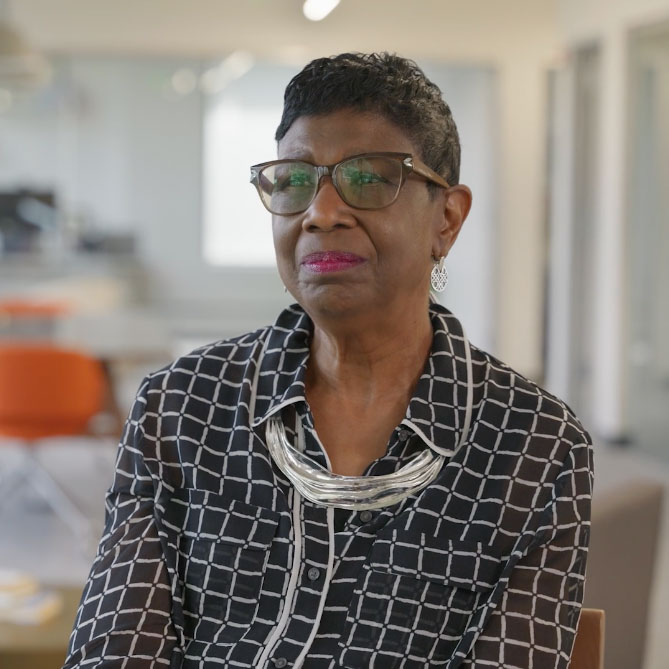
It's not just thinking about what we believe people need. Are we going into communities, are we going into school systems? Are we holding events where we are asking, 'What is it that not only you see as needs in your community, but if given the chance, how would you make those changes?'
Alice Harris, Healthier Choices Coalition, Horizon Foundation
Kerry Darragh
Senior Communications Officer, Horizon Foundation
Nikki Highsmith Vernick
President and CEO, Horizon Foundation