This resource offers insights, recommendations, practical tips, and provocations to help you transform your organization’s governance in ways that shift power to impacted communities.
Impacted communities have the right and the capacity to determine their own lives — full stop. Philanthropy is at its best when it works in service of that self-determination. A foundation’s boardroom provides a unique opportunity to practice democracy and bring funders into closer relationship with community.
Foundation boards are where strategy gets set, resources get allocated, and the terms of debate get defined. Bringing impacted community members into that space, not as advisors or consultants, but as governing equals, goes to the heart of a funder’s decision-making power and sense of stewardship.
This tool offers provocations, practical tips, and tools to transform foundation governance as a vehicle for listening in ways that can shift power to impacted communities — ultimately enabling greater equity, accountability, and results that communities define for themselves.
Bringing impacted community members into that space, not as advisors or consultants, but as governing equals, goes to the heart of a funder’s decision-making power and sense of stewardship.
Why we created this tool
This tool aims to help foundations be more reflective of, accountable to, and authorized by their communities.
BoardSource’s board governance model called Purpose-Driven Board Leadership (PDBL), calls for boards to challenge their own authority and power, and suggests that the voice of community-benefitting organizations must be authorized by those impacted by the organization’s work. This notion of “authorized voice” turns upside down the way power typically flows between a foundation and the communities it exists to benefit, and is often the part of the PDBL model that foundations struggle with most.
Listening to impacted communities through the governing board is not just about a recruitment strategy to change the composition of the board — it is about changing the culture of the board and the entire foundation. We invite you to use this tool to be the change you seek.
Who this tool is for and how to use it
We wrote “Community on Board” for staff and board members of staffed foundations with more conventional governing boards ready to make changes to center community voice. The tool focuses on decision-making boards, not other kinds of committees or advisory groups that offer input or feedback but hold no decision-making authority.
We have included examples from a variety of foundations and foundation types, including fiscally sponsored or pooled funds, to help you see practices in action as well as identify sojourners for mutual support. We encourage you to consider ideas even from organizations that look different from yours, learning from their experiences and adapting them to what’s right for you. The question of “who decides?” is an essential one in any context.
We also encourage you to reexamine what you may see as legal barriers to change. What many believe or assume are legal requirements regarding the board or its processes are often just habits or traditions. In most cases bylaws and other policies can be changed — and should be changed to make space for new and needed voices and to re-center the board on purpose and accountability to impacted communities.
We invite you into this tool at any point on your journey toward more community ownership, community power, and institutional accountability to impacted communities via board governance. It’s designed to offer insight and practical recommendations at various stages of your work, from exploration to active transformation.
Where are you in the journey toward more community ownership?
Level 1: Beginning →
You understand why bringing impacted community members onto the board matters and are exploring ways to take initial action. Use this tool to focus on building a shared “why,” making current norms and practices explicit, and developing a plan for cultivating authentic and mutually beneficial relationships.
Level 2: Developing →
You are actively building relationships and skills and taking meaningful steps to bring impacted community members onto the board. Use this tool to focus on creating high-leverage processes and structures to support shifts in composition and culture.
Level 3: Embedding →
Impacted community members are on the board and you are working to transform the culture of the board and the foundation. Use this tool to focus on documenting and institutionalizing supportive norms and practices while also building the muscle for continuous adaptive change.
Disclaimer: This tool is not a substitute for legal or financial advice. Consult your own legal counsel and other advisors as you make changes in your own context. Note that state nonprofit statutes vary, and some foundations are governed by trust documents or charter provisions that will need to be addressed.
Resources
We are informed and inspired by peer efforts in this space and recommend them for further insight:
GEO convenes and supports grantmakers who are shifting governance, as well as a collective of philanthropy infrastructure organizations focused on reimagining governance. “Toward Meaningful, Valuable, Equitable Governance” highlights promising practices that grantmakers are testing and learning from as they explore governance purpose, roles, relationships and processes.
The National Center for Family Philanthropy’s Family Giving Lifecycle framework advises family foundations to center community by focusing on the questions “for whom and with whom” when considering governance structure and decision-making processes.
Grounded in its Purpose-Driven Board Leadership framework, BoardSource published “Authorized Voice & Power in the Boardroom: Reimagining Governance to Fulfill Philanthropy’s Promise” with an invitation to reflect on who has legitimacy in governing, and whether and how to effect change at the governance level.

Nonprofit Quarterly published a three-part series challenging traditional governance models and offering a new vision for boards. The series focuses on nonprofits but it has great relevance to foundations, especially around the mindsets and practices that support liberatory governance.

Please continue to check back for additional resources, further discussions, and a growing collection of more comprehensive examples.
GEO convenes and supports grantmakers who are shifting governance, as well as a collective of philanthropy infrastructure organizations focused on reimagining governance. “Toward Meaningful, Valuable, Equitable Governance” highlights promising practices that grantmakers are testing and learning from as they explore governance purpose, roles, relationships and processes.
The National Center for Family Philanthropy’s Family Giving Lifecycle framework advises family foundations to center community by focusing on the questions “for whom and with whom” when considering governance structure and decision-making processes.
Grounded in its Purpose-Driven Board Leadership framework, BoardSource published “Authorized Voice & Power in the Boardroom: Reimagining Governance to Fulfill Philanthropy’s Promise” with an invitation to reflect on who has legitimacy in governing, and whether and how to effect change at the governance level.
Nonprofit Quarterly published a three-part series challenging traditional governance models and offering a new vision for boards. The series focuses on nonprofits but it has great relevance to foundations, especially around the mindsets and practices that support liberatory governance.
Please continue to check back for additional resources, further discussions, and a growing collection of more comprehensive examples.
About the authors
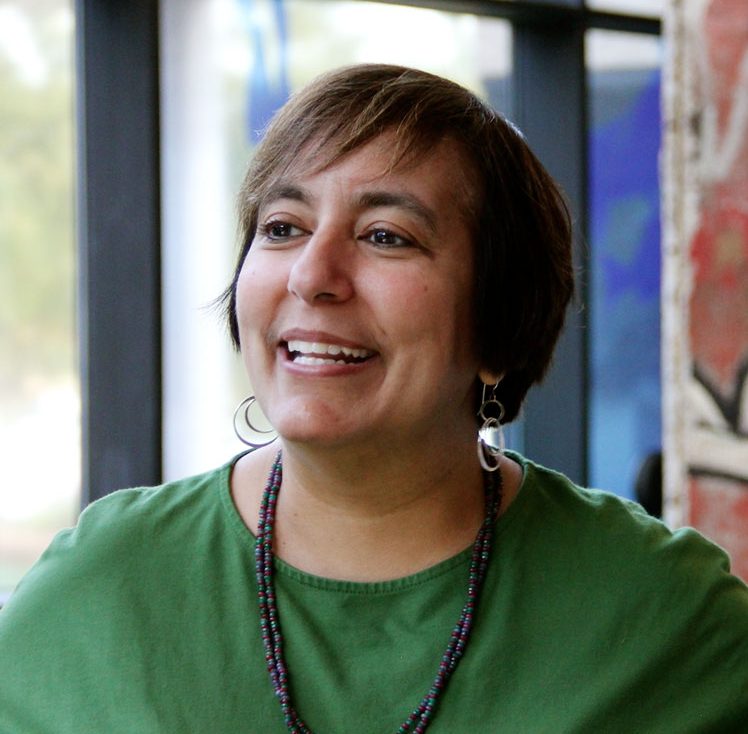
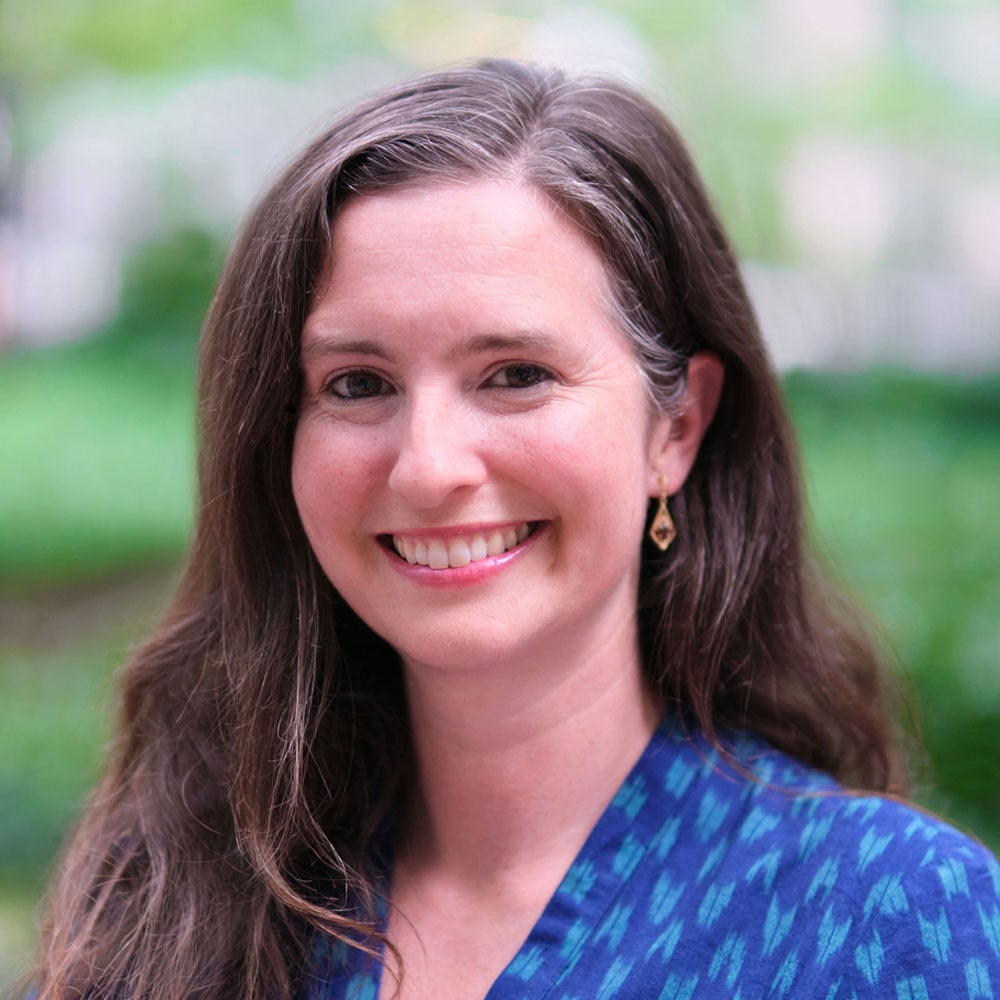
Gita Gulati-Partee is the founder and principal of OpenSource Leadership Strategies, which builds equity mindsets, skill sets, and tool sets for social progress. She was the equity advisor to Fund for Shared Insight and is the co-director for Listen to Community. Katy Love is a practitioner of participatory philanthropy and an independent consultant. She co-led Fund for Shared Insight’s participatory climate initiative and is the co-director for Listen to Community.
This tool draws on our collective decades of experience working with boards in our roles as consultants to and employees of institutional foundations of all forms, donor advised funds, funder collaboratives and pooled funds, and individual donors. We are grateful to the many leaders who shared their stories with us, and allowed us to share them with you.